The Light Rail Transit Line 1 (LRT 1) will implement a new temporary passenger traffic scheme at select stations for the first months of 2020.
This is to make way for the construction of the Unified Grand Central Station, which will connect the systems of LRT 1, Metro Rail Transit Line 3 (MRT 3) and MRT 7.
From Jan. 4 to March 31, 2020, northbound passengers will have to disembark at the Monumento and Balintawak Stations as the train will no longer reach Roosevelt Station.
Passengers with Roosevelt station as their stop may take the Baclaran-to-Balintawak circuit, where a special shuttle train will arrive every 10 minutes during peak hours to exclusively transport passengers to the Roosevelt Station.
The same shuttle will pick up passengers from the Roosevelt Station and bring them to the Balintawak Station.
Meanwhile, the Baclaran-to-Monumento circuit will help address the heavy passenger volume at the Monumento Station, especially during peak hours.
The LRMC will deploy additional crowd marshals and safety teams as well as put up directional signs in the stations to inform passengers of the new passenger traffic scheme.
LRMC chief operating officer Enrico Benipayo assures that other stations along the LRT 1 will not be affected by the construction of the common station.
“We want to ensure normal operations in all twenty stations of our existing line while the construction of the common station is ongoing that’s why we have this temporary passenger traffic scheme,” Benipayo said in a statement.
“We will also add signage inside the trains for passengers to easily identify if the last stop of the train is either Monumento or Balintawak,” he added.
The Department of Transportation (DOTr) aims to open the country’s largest railway station that will serve as a centralized hub for four railway lines, including the planned Metro Manila subway, by late 2020.
https://newsinfo.inquirer.net/1203910/lrt-1-to-implement-temporary-traffic-scheme-in-2020
Friday, December 20, 2019

Dagat-Dagatan Ramp of NLEX Harbor Link to open in January
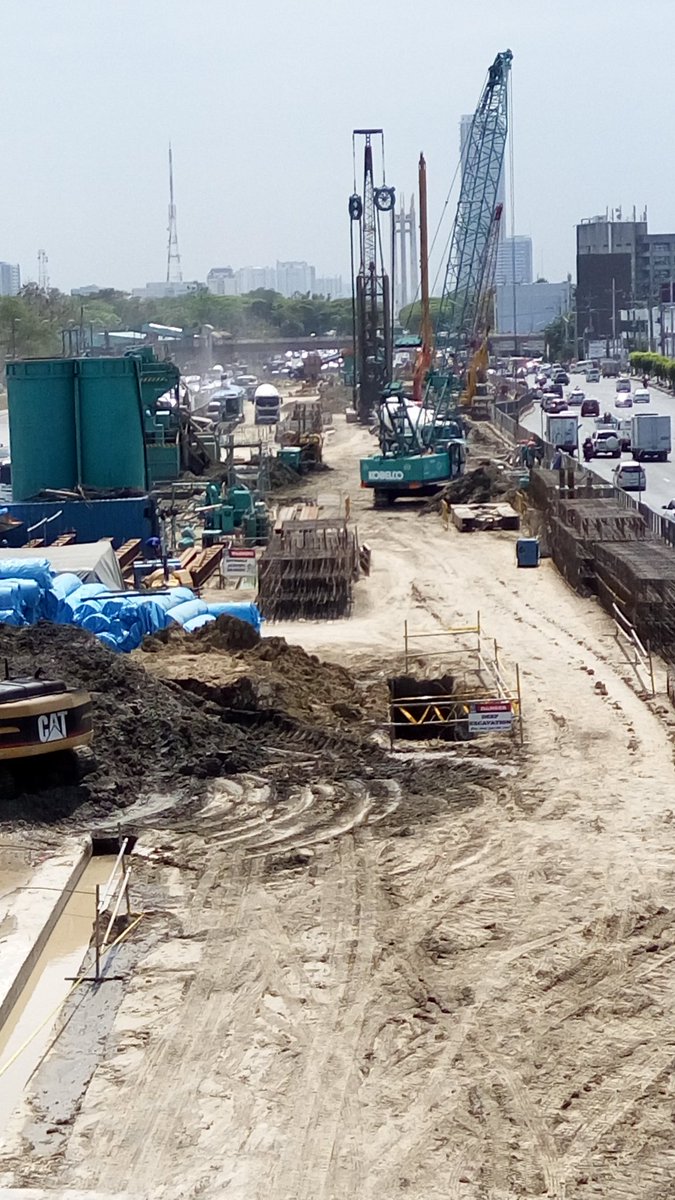
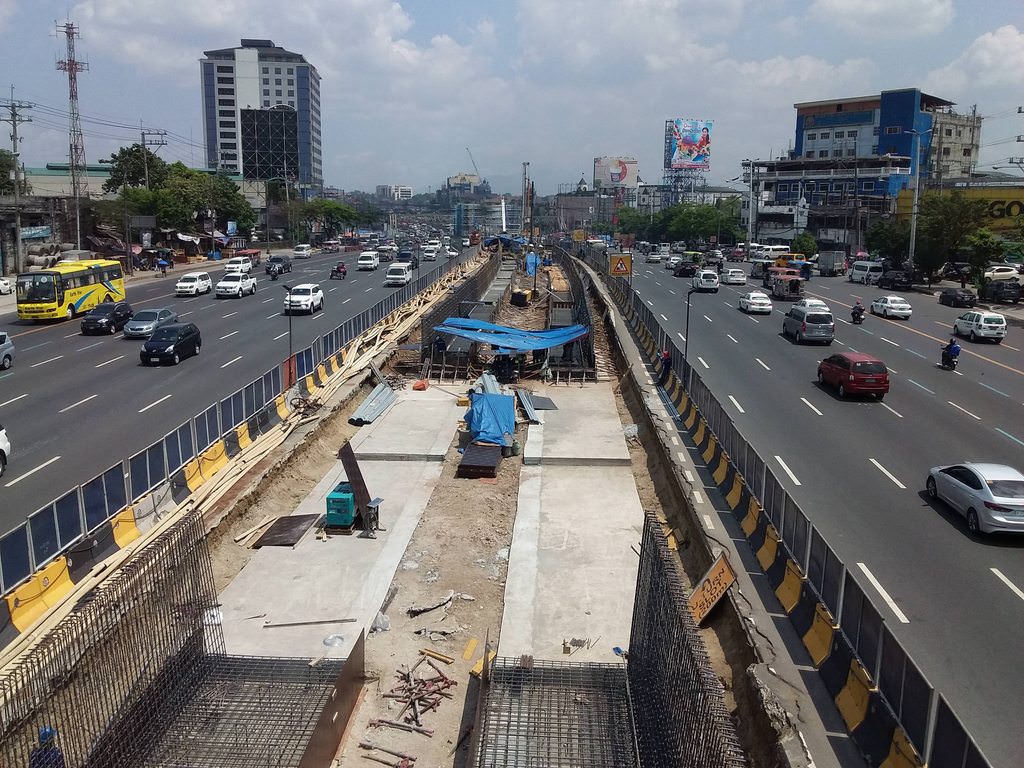
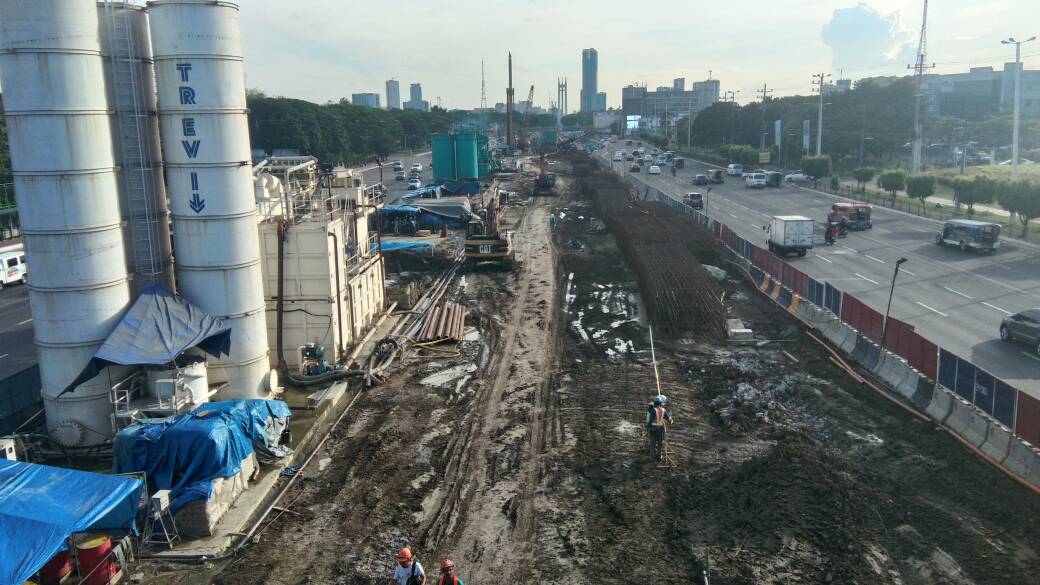
Department of Public Works and Highways (DPWH) Secretary Mark Villar announced the opening of the Dagat-Dagatan Ramp of the North Luzon Expressway (NLEX) Harbor Link after conducting a progress inspection of the ongoing construction of the 2.6-kilometer NLEX Harbor Link (R10 Section) and the 8-km NLEX Connector elevated expressways in the Caloocan-Malabon-Navotas-Valenzuela (Camanava) area.
“We are committed to fully opening this January the new off-ramp that will bring motorists directly from NLEX to Dagat-Dagatan in Malabon City,” Villar noted.
“24/7 construction will be undertaken to complete the 2.6-kilometer section which stretches west from the new Caloocan Interchange to Radial Road 10,” he added.
The Harbor Link is intended to facilitate direct access between the port area and North and Central Luzon via the NLEX. Motorists, especially those in the commercial trucking sector, will enjoy a hassle-free elevated expressway alternative to the choke points of EDSA Balintawak, A. Bonifacio and C3/5th Avenue. It is also envisioned for truckers who will be spared from the truck ban and subsequently experience quicker turn around.
Villar, together with NLEX Corporation President and General Manager J. Luigi L. Bautista, also witnessed the full blast foundation works of the first five-kilometer section of the NLEX Connector expressway at the new Caloocan Interchange.
This section will extend to the future Sampaloc Interchange near España Boulevard, Manila.
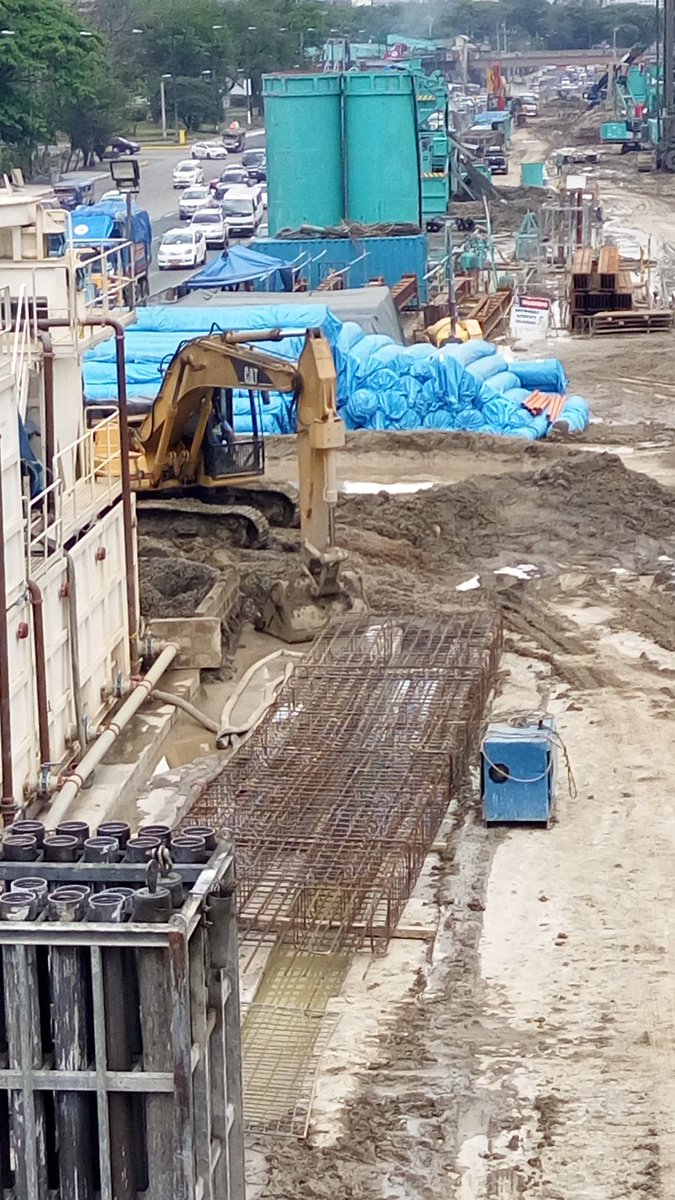
“Working on the bored pile foundation is a delicate part of the construction process. A systematic laying of the foundation is being carefully and precisely engineered to prevent mounting traffic and ensure safety in the construction area,” Bautista pointed out.
A total of 223 piers will be built to support the all-weather, all-vehicle NLEX Connector which will eventually interconnect with the Metro Manila Skyway Stage 3 in Sta. Mesa, Manila.
“Upon completion of the NLEX Connector, travel time from NLEX to SLEX will be reduced from the usual two hours to approximately 20 minutes,” Villar noted.
The elevated, four-lane divided carriageway NLEX Connector will feature two interchanges and four toll plazas running above the Philippine National Railway lines.
The PNR right-of-way is being shared by the NLEX Connector and the North South Commuter Railway (NSCR), which is also under construction.
https://news.mb.com.ph/2019/12/11/dagat-dagatan-ramp-of-nlex-harbor-link-to-open-in-january/
“We are committed to fully opening this January the new off-ramp that will bring motorists directly from NLEX to Dagat-Dagatan in Malabon City,” Villar noted.
“24/7 construction will be undertaken to complete the 2.6-kilometer section which stretches west from the new Caloocan Interchange to Radial Road 10,” he added.
The Harbor Link is intended to facilitate direct access between the port area and North and Central Luzon via the NLEX. Motorists, especially those in the commercial trucking sector, will enjoy a hassle-free elevated expressway alternative to the choke points of EDSA Balintawak, A. Bonifacio and C3/5th Avenue. It is also envisioned for truckers who will be spared from the truck ban and subsequently experience quicker turn around.
Villar, together with NLEX Corporation President and General Manager J. Luigi L. Bautista, also witnessed the full blast foundation works of the first five-kilometer section of the NLEX Connector expressway at the new Caloocan Interchange.
This section will extend to the future Sampaloc Interchange near España Boulevard, Manila.
“Working on the bored pile foundation is a delicate part of the construction process. A systematic laying of the foundation is being carefully and precisely engineered to prevent mounting traffic and ensure safety in the construction area,” Bautista pointed out.
A total of 223 piers will be built to support the all-weather, all-vehicle NLEX Connector which will eventually interconnect with the Metro Manila Skyway Stage 3 in Sta. Mesa, Manila.
“Upon completion of the NLEX Connector, travel time from NLEX to SLEX will be reduced from the usual two hours to approximately 20 minutes,” Villar noted.
The elevated, four-lane divided carriageway NLEX Connector will feature two interchanges and four toll plazas running above the Philippine National Railway lines.
The PNR right-of-way is being shared by the NLEX Connector and the North South Commuter Railway (NSCR), which is also under construction.
https://news.mb.com.ph/2019/12/11/dagat-dagatan-ramp-of-nlex-harbor-link-to-open-in-january/
Thursday, December 19, 2019
Wednesday, December 18, 2019
Northrail up for abolition
Agency deactivated when rail project fell apart
The government has deactivated the state-run North Luzon Railways Corp. (Northrail) as the rail project that was supposed to be built and financed by China fell apart due to alleged corruption.
The Governance Commission for Government Owned or Controlled Corporations (GCG) in Memorandum Order No. 2019-5 said it had “determined that it is in the best interest of the state to deactivate Northrail in the interim, pending its formal abolition.”
As such, the GCG said “all positions in Northrail are considered abolished … the board of directors of Northrail is authorized to retain a skeletal transition team to undertake residual tasks, such as maintenance of records and assistance in the settlement of legal issues and pending obligations with respect to Northrail’s contracts and other outstanding accounts.”
According to the GCG, Northrail was “not producing the desired outcomes, no longer achieving the objectives and purposes for which it was designed and created, and not cost efficient and does not generate the level of social, physical and economic returns vis-à-vis the resource inputs.”
The order to deactivate Northrail was signed by GCG Chair Samuel G. Dagpin Jr., Commissioners Michael P. Cloribel and Marites C. Doral, as well as ex-officio members Finance Secretary Carlos G. Dominguez III and Budget Officer in Charge Janet B. Abuel.
The GCG order was issued in May and later on signed by Dominguez in June, even as the document was made public only this month.
Since Northrail was already deactivated, it “formally ceases to be a going concern and shall have no power or competence to enter into any contract or transactions, which seeks to pursue its ordinary course of business,” the GCG said.
As mandated under Republic Act No. 10149 or the GOCC Governance Act of 2011, Northrail was “deemed under evaluation for formal abolition,” the GCG added.
Moving forward, Northrail was tasked to coordinate with the Department of Transportation (DOTr) to transfer the right-of-way (ROW) and real properties it had maintained.
Also, Northrail’s board was ordered to preserve the corporation’s assets to protect the government’s interests in them.
“As regards the interest earned from the loan proceeds in the amount of P216.34 million as of Dec. 31, 2017, the retention of the same, or a portion thereof, as funds for the implementation of Northrail’s deactivation until its formal abolition shall be subject to the determination of the Department of Finance (DOF),” the GCG said.
“Northrail shall coordinate with the DOTr and BCDA (the Bases Conversion and Development Authority] to explore the possibility of transfer to and reemployment of affected Northrail personnel in the DOTr and BCDA, and their attached agencies and corporations, subject to compliance with established qualification standards set by the receiving agencies,” the GCG added.
Northrail had been formed and organized by the BCDA “as a wholly owned pre-operating subsidiary to revive the abandoned rail service north of Metro Manila,” the GCG noted.
A flagship project of the Arroyo administration, the 80-kilometer Northrail was envisioned to link Caloocan City with an international airport in the former Clark Airfield in Pampanga.
When he took over in 2010, former President Benigno Aquino III ordered a review of the contract between Northrail and the China National Machinery and Equipment Corp. Group (CNMEG) to build the railway.
The railway project had been hounded by allegations of overpricing, as its cost climbed from an initial $503 million to about $2 billion.
A 2005 study of the UP Law Center showed that the Northrail contract had been improperly packaged as an executive agreement to evade public bidding.
In 2012, the Supreme Court ruled that CNMEG-Northrail agreement was not an executive agreement, hence CNMEG was not immune from suit.
https://business.inquirer.net/285657/northrail-up-for-abolition
The government has deactivated the state-run North Luzon Railways Corp. (Northrail) as the rail project that was supposed to be built and financed by China fell apart due to alleged corruption.
The Governance Commission for Government Owned or Controlled Corporations (GCG) in Memorandum Order No. 2019-5 said it had “determined that it is in the best interest of the state to deactivate Northrail in the interim, pending its formal abolition.”
As such, the GCG said “all positions in Northrail are considered abolished … the board of directors of Northrail is authorized to retain a skeletal transition team to undertake residual tasks, such as maintenance of records and assistance in the settlement of legal issues and pending obligations with respect to Northrail’s contracts and other outstanding accounts.”
According to the GCG, Northrail was “not producing the desired outcomes, no longer achieving the objectives and purposes for which it was designed and created, and not cost efficient and does not generate the level of social, physical and economic returns vis-à-vis the resource inputs.”
The order to deactivate Northrail was signed by GCG Chair Samuel G. Dagpin Jr., Commissioners Michael P. Cloribel and Marites C. Doral, as well as ex-officio members Finance Secretary Carlos G. Dominguez III and Budget Officer in Charge Janet B. Abuel.
The GCG order was issued in May and later on signed by Dominguez in June, even as the document was made public only this month.
Since Northrail was already deactivated, it “formally ceases to be a going concern and shall have no power or competence to enter into any contract or transactions, which seeks to pursue its ordinary course of business,” the GCG said.
As mandated under Republic Act No. 10149 or the GOCC Governance Act of 2011, Northrail was “deemed under evaluation for formal abolition,” the GCG added.
Moving forward, Northrail was tasked to coordinate with the Department of Transportation (DOTr) to transfer the right-of-way (ROW) and real properties it had maintained.
Also, Northrail’s board was ordered to preserve the corporation’s assets to protect the government’s interests in them.
“As regards the interest earned from the loan proceeds in the amount of P216.34 million as of Dec. 31, 2017, the retention of the same, or a portion thereof, as funds for the implementation of Northrail’s deactivation until its formal abolition shall be subject to the determination of the Department of Finance (DOF),” the GCG said.
“Northrail shall coordinate with the DOTr and BCDA (the Bases Conversion and Development Authority] to explore the possibility of transfer to and reemployment of affected Northrail personnel in the DOTr and BCDA, and their attached agencies and corporations, subject to compliance with established qualification standards set by the receiving agencies,” the GCG added.
Northrail had been formed and organized by the BCDA “as a wholly owned pre-operating subsidiary to revive the abandoned rail service north of Metro Manila,” the GCG noted.
A flagship project of the Arroyo administration, the 80-kilometer Northrail was envisioned to link Caloocan City with an international airport in the former Clark Airfield in Pampanga.
When he took over in 2010, former President Benigno Aquino III ordered a review of the contract between Northrail and the China National Machinery and Equipment Corp. Group (CNMEG) to build the railway.
The railway project had been hounded by allegations of overpricing, as its cost climbed from an initial $503 million to about $2 billion.
A 2005 study of the UP Law Center showed that the Northrail contract had been improperly packaged as an executive agreement to evade public bidding.
In 2012, the Supreme Court ruled that CNMEG-Northrail agreement was not an executive agreement, hence CNMEG was not immune from suit.
https://business.inquirer.net/285657/northrail-up-for-abolition
Government expects completion of common LRT station by 2021
The Department of Transportation expects the common station linking Light Rail Transit Line 1, Metro Rail Transit Line 3, the MRT Line 7 and the planned Metro Manila Subway to be completed by 2021.
It said the 13,700-square-meter concourse area connecting the four mass transit systems at the corner of EDSA and North Ave. in Quezon City would be operational by 2021. Once completed, the common station would serve about 478,000 passengers daily.
The Unified Grand Central Station Area A, costing about P2.8 billion, will be constructed by the consortium of BF Corp. and Foresight Development and Surveying Company.
Area B of the common station—an area connecting Areas A and C that would be financed, built and operated by North Triangle Depot Commercial Corp., an affiliate of Ayala Land Inc.—is now 96-percent completed.
Area C for MRT-7 platform will be financed, built and operated by San Miguel Corp.
The common station project has been stalled since 2009, but the Transportation Department settled the dispute on the location leading to its groundbreaking in September 2017.
Meanwhile, the DOTR said the LRT Line 1 Cavite Extension project was expected to be fully operational by the third quarter of 2023.
It said the progress rate for the 11.7-km railway from Baclaran to Niog, Bacoor in Cavite was 30.74 percent. Once completed, the extension project is expected to increase LRT-1’s capacity from 500,000 to 800,000 passengers a day and reduce travel time between Baclaran and Bacoor from 1 to 2 hours to only 25 minutes.
LRMC won the bidding for the 11.7-km. Cavite extension project and took over the operation of LRT Line 1 on Sept. 12, 2015.
Metro Pacific Investments Corp., through Metro Pacific Light Rail Corp., owns 55 percent of LRMC, while AC Infrastructure Holdings Corp. has a 35-percent stake and Macquarie Infrastructure Holdings (Philippines) Inc. holds the balance.
https://manilastandard.net/business/biz-plus/312762/government-expects-completion-of-common-lrt-station-by-2021.html
It said the 13,700-square-meter concourse area connecting the four mass transit systems at the corner of EDSA and North Ave. in Quezon City would be operational by 2021. Once completed, the common station would serve about 478,000 passengers daily.
The Unified Grand Central Station Area A, costing about P2.8 billion, will be constructed by the consortium of BF Corp. and Foresight Development and Surveying Company.
Area B of the common station—an area connecting Areas A and C that would be financed, built and operated by North Triangle Depot Commercial Corp., an affiliate of Ayala Land Inc.—is now 96-percent completed.
Area C for MRT-7 platform will be financed, built and operated by San Miguel Corp.
The common station project has been stalled since 2009, but the Transportation Department settled the dispute on the location leading to its groundbreaking in September 2017.
Meanwhile, the DOTR said the LRT Line 1 Cavite Extension project was expected to be fully operational by the third quarter of 2023.
It said the progress rate for the 11.7-km railway from Baclaran to Niog, Bacoor in Cavite was 30.74 percent. Once completed, the extension project is expected to increase LRT-1’s capacity from 500,000 to 800,000 passengers a day and reduce travel time between Baclaran and Bacoor from 1 to 2 hours to only 25 minutes.
LRMC won the bidding for the 11.7-km. Cavite extension project and took over the operation of LRT Line 1 on Sept. 12, 2015.
Metro Pacific Investments Corp., through Metro Pacific Light Rail Corp., owns 55 percent of LRMC, while AC Infrastructure Holdings Corp. has a 35-percent stake and Macquarie Infrastructure Holdings (Philippines) Inc. holds the balance.
https://manilastandard.net/business/biz-plus/312762/government-expects-completion-of-common-lrt-station-by-2021.html
DOTr reports 96% completion of Grand Central Station’s Area B at TriNoma
The Department of Transportation (DOTr) reported on Tuesday that the Area B of the Grand Central Station—a common alignment among four Metro railway lines—is now 96-percent complete.
Funded by Ayala Corp., Area B is the portion of the three-section facility where the concourse will be built. It is located near the TriNoma Mall in Quezon City. This area was inspected by Transportation Secretary Arthur P. Tugade on Tuesday.
“How will I know the progress of the work if I will just rely on the word of mouth. I inspected this facility toward the end of the year to judge if the work was done,” he said.
Today, construction of the Grand Central Station is round the clock, as the government aims to finish the facility by 2021.
Meanwhile, the government is now conducting the detailed engineering and design for Area A, the linkage between the Light Rail Transit (LRT) Line 1 and the Manila Metro Rail Transit (MRT) Line 3. This portion is funded by the government.
For Area C, San Miguel Corp., which will finance the said segment, is now constructing the viaducts and is finishing the detailed engineering and design for the said segment. Area C is where MRT 7 will be terminating.
The Grand Central Station is a 13,700-square meter concourse area that will interconnect the LRT 1, MRT 3, MRT 7, and the Metro Manila Subway.
The common station was in limbo for a couple of years after its conception, after getting a stay order from the Supreme Court due to a possible breach in contract.
To recall, SM Prime Holdings Inc. sued the previous transport department for changing the location of the common station, even with an existing naming rights contract with the government. Former transport officials decided to move the location due to its cost benefits.
SM has already withdrawn its case and has “allowed” the government to keep the money to help fund the construction of the common station.
When built, the common station will provide easy access to both malls and major roads, like Edsa, and will provide a common concourse, or atrium, to facilitate easy train line transfer.
https://businessmirror.com.ph/2019/12/18/dotr-reports-96-completion-of-grand-central-stations-area-b-at-trinoma/
Funded by Ayala Corp., Area B is the portion of the three-section facility where the concourse will be built. It is located near the TriNoma Mall in Quezon City. This area was inspected by Transportation Secretary Arthur P. Tugade on Tuesday.
“How will I know the progress of the work if I will just rely on the word of mouth. I inspected this facility toward the end of the year to judge if the work was done,” he said.
Today, construction of the Grand Central Station is round the clock, as the government aims to finish the facility by 2021.
Meanwhile, the government is now conducting the detailed engineering and design for Area A, the linkage between the Light Rail Transit (LRT) Line 1 and the Manila Metro Rail Transit (MRT) Line 3. This portion is funded by the government.
For Area C, San Miguel Corp., which will finance the said segment, is now constructing the viaducts and is finishing the detailed engineering and design for the said segment. Area C is where MRT 7 will be terminating.
The Grand Central Station is a 13,700-square meter concourse area that will interconnect the LRT 1, MRT 3, MRT 7, and the Metro Manila Subway.
The common station was in limbo for a couple of years after its conception, after getting a stay order from the Supreme Court due to a possible breach in contract.
To recall, SM Prime Holdings Inc. sued the previous transport department for changing the location of the common station, even with an existing naming rights contract with the government. Former transport officials decided to move the location due to its cost benefits.
SM has already withdrawn its case and has “allowed” the government to keep the money to help fund the construction of the common station.
When built, the common station will provide easy access to both malls and major roads, like Edsa, and will provide a common concourse, or atrium, to facilitate easy train line transfer.
https://businessmirror.com.ph/2019/12/18/dotr-reports-96-completion-of-grand-central-stations-area-b-at-trinoma/
Friday, December 13, 2019



























Subscribe to:
Posts (Atom)